What You Should Know Before Getting Dental Crowns in Los Angeles CA
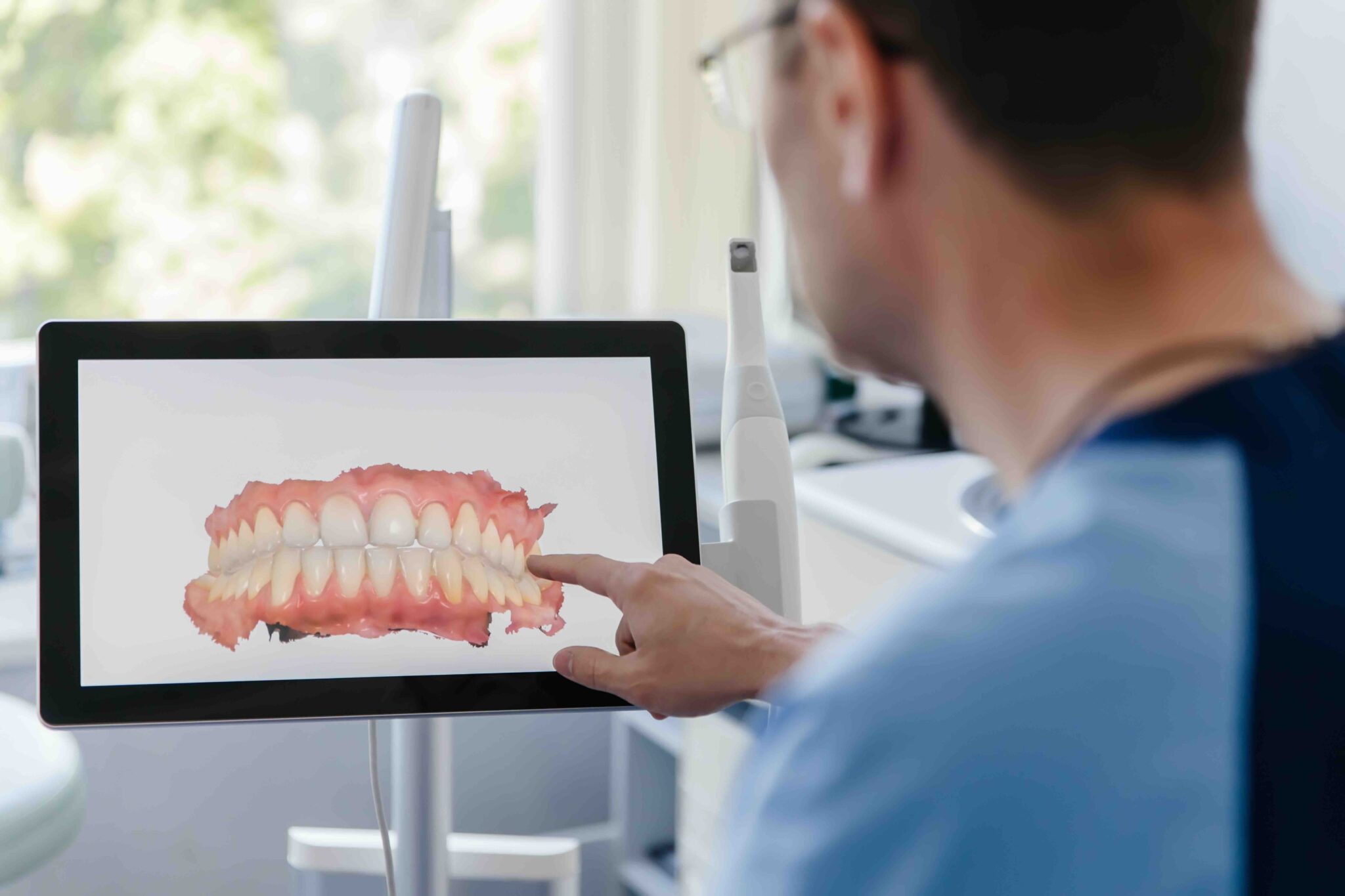
A dental crown sounds simple when you first hear about it. The tooth is damaged, weak, heavily filled, or cosmetically compromised, and the dentist places a cap over it to restore shape and function. In practice, the decision is more nuanced than that, especially in a city like Los Angeles, where patients often care about both long-term oral health and how their smile looks on camera, in meetings, or under bright natural light.
If you are considering Dental Crowns Los Angeles CA, it helps to know what a crown can fix, what it cannot fix, what materials make sense for different teeth, and what questions to ask before treatment starts. Crowns can be excellent restorations. They can also be overused, rushed, or chosen for the wrong reason. The difference usually comes down to diagnosis, planning, and execution.
A crown is not just a cosmetic cover
Many people assume a crown is mainly for appearance. That is only part of the story. A crown is a structural restoration. It covers most or all of the visible portion of a tooth above the gumline and is designed to protect a tooth that no longer has enough strength on its own.
A common example is a molar with a large old filling that has started to crack around the edges. The tooth may still be alive and not terribly painful, but every time you chew, that weakened structure flexes a little. Over time, the risk of a larger fracture goes up. A crown can hold the tooth together and distribute biting forces more evenly.
Crowns are also often recommended after root canal treatment. Once the nerve is removed, the tooth is not necessarily “dead” in the dramatic sense patients imagine, but it can become more brittle and more prone to fracture, particularly in the back of the mouth. A properly fitted crown can make the difference between keeping that tooth for years and losing it to a split root later.
Then there is the cosmetic side. Front teeth with severe discoloration, old bonding, chips, or shape issues may sometimes be improved with crowns, but only after less invasive options are considered. Veneers, bonding, whitening, or orthodontics may be better depending on the case. A careful dentist will not jump to a crown just because it creates an immediate visual change.
When a crown makes sense, and when it may not
One of the most important things to understand is that a crown requires removal of tooth structure. Even with modern conservative techniques, the dentist has to create enough space for the material so the crown is not too bulky and the bite still fits. That means a crown should solve a real problem, not create one.
A crown is often a sound choice when the tooth has lost a substantial amount of enamel and dentin, when cracks are developing, when a large filling keeps failing, or when the tooth is badly worn down. It also makes sense when a dental implant needs a visible replacement tooth attached to it, or when a bridge uses neighboring teeth for support.
There are also situations where a crown may be premature. A small chip on a front tooth might be repaired beautifully with bonding. A stained tooth might respond well to whitening or a veneer. A mildly broken cusp on a back tooth may be a candidate for an onlay rather than a full crown. Good treatment planning is about preserving healthy tooth structure whenever possible.
This matters in Los Angeles because patients often seek second opinions, especially when one office recommends multiple crowns all at once. Sometimes that recommendation is completely justified. Sometimes it reflects a more aggressive treatment philosophy. If you hear “you need six crowns” and the explanation feels thin, getting another evaluation is reasonable and wise.
The Los Angeles factor: why location changes the conversation
Dental care in Los Angeles is not one-size-fits-all. The city has everything from boutique cosmetic practices in Beverly Hills and West Hollywood to neighborhood family offices in the Valley, downtown, the South Bay, and the Eastside. That variety is good for patients, but it also means quality, approach, fees, and communication style can vary widely.
For Dental Crowns Los Angeles CA, the price range alone can be broader than many people expect. A crown in one office may cost dramatically more than a crown in another, even when both use reputable materials. The reasons can include location overhead, whether the practice has in-house milling technology, the experience of the dentist and lab, and how much time is spent on esthetics, bite design, and tissue management.
Higher cost does not automatically mean better quality. Lower cost does not automatically mean poor care. What you are really paying for is diagnosis, preparation design, impression or scanning accuracy, temporary crown quality, lab communication, material selection, bite refinement, and follow-up. Those details matter far more than a polished waiting room.
In a city where appearance carries unusual weight, some patients are pushed toward highly aesthetic all-ceramic options for every tooth, including molars that take a lot of force. Others are given durable solutions that are not ideal for visible smile zones. The best treatment balances esthetics, strength, and your actual habits, including clenching, grinding, and diet.
Crown materials are not interchangeable
One of the biggest misconceptions is that all crowns are basically the same. They are not. Material choice affects appearance, durability, thickness, translucency, wear on opposing teeth, and cost.
Porcelain fused to metal crowns have been around for decades. They can perform well, especially in back teeth, but they sometimes show a dark line near the gum over time or look less lifelike than newer materials. Full gold crowns remain one of the most durable restorations in dentistry, and many experienced dentists still consider them excellent for out-of-sight molars. Patients in Los Angeles tend to request them less often for obvious cosmetic reasons, but functionally, gold has a long track record that is hard to dismiss.
All-ceramic options include lithium disilicate and zirconia, among others. Lithium disilicate can look very natural and is often favored for front teeth and some premolars, where translucency matters. Zirconia is known for strength and has improved significantly in appearance over the years. It is often used in back teeth and in cases involving heavy bite forces.
The right material depends on where the tooth is located, how much room there is between the upper and lower teeth, whether you grind at night, how visible the tooth is when you smile, and whether the underlying tooth is dark and needs masking. There is no single “best crown material” for every patient.
The prep work matters more than most patients realize
Patients often focus on the final crown, but the success of the restoration is largely determined before the lab ever fabricates it. Tooth preparation has to be precise. Too little reduction can make the crown bulky or weak. Too much reduction removes more healthy structure than necessary. Margins need to be clean and readable. The bite needs to be stable. The tissue around the tooth needs to be healthy enough for an accurate impression or scan.
A crown that looks fine on the day it is cemented can still fail early if the foundation is poor. Common problems include open margins, food trapping between teeth, persistent gum inflammation, high bite spots, and recurrent decay under the edge of the crown.
This is why the temporary crown is not a trivial step. A good temporary protects the tooth, preserves gum shape, lets you function reasonably well, and gives you a preview of contours and bite. A bad temporary can lead to sensitivity, shifting teeth, irritated gums, and a final crown that never seats quite right.
I have seen cases where a patient thought the lab “made a bad crown,” when the real issue started with bleeding gums during the impression appointment or a temporary that popped off twice before delivery. Crowns are technical restorations. Small errors early on tend to show up later.
Same-day crowns can be excellent, but they are not automatically better
Los Angeles practices often advertise same-day crowns, and for the right case, they can be very convenient. Digital scanning and in-office milling have improved a great deal. Patients like avoiding a second injection, a second appointment, and a temporary crown.
That said, same-day does not mean superior by default. Some cases benefit from a skilled outside lab technician, especially if the tooth is in the aesthetic zone, the bite is complicated, or the gumline is uneven. A hand-layered ceramic crown from an experienced lab can still outperform a rushed in-house crown when nuanced color matching and texture matter.
The question is not whether the crown is made in one day or two weeks. The better question is whether the office has the judgment to know which cases suit same-day fabrication and which do not.
What the process usually feels like
Most crown procedures are straightforward, but they are still a significant dental appointment. The tooth is numbed, old decay or failing restoration is removed, and the tooth is shaped. If the remaining tooth structure is weak, a core buildup may be placed first to create a solid foundation.
After preparation, the dentist captures the shape of the tooth and surrounding area Dental Crowns Los Angeles CA with either a digital scan or a physical impression. Then a temporary crown is placed, unless the final crown is being fabricated immediately. When you return for the final crown, the dentist checks fit, contacts with neighboring teeth, shade, and bite before cementing it.
Sensitivity for a few days is not unusual. Soreness in the gum tissue can happen too, especially if the area Dental Crowns Los Angeles CA was difficult to isolate or the temporary pressed on the tissue. What should not happen is lingering severe pain, throbbing that keeps you awake, or a bite that feels so high you avoid chewing on that side. Those symptoms deserve a call to the office.
Questions worth asking before you commit
You do not need to interrogate your dentist, but a short, thoughtful conversation can tell you a lot about the quality of planning behind the recommendation.
- Why is a crown the best option for this tooth instead of bonding, an onlay, or a veneer?
- What material do you recommend for this specific tooth, and why?
- Is there any sign I might need a root canal now, or later, because of the condition of the tooth?
- Will this be done with a temporary crown and outside lab, or as a same-day crown?
- How long do you expect this crown to last in my case, given my bite and habits?
A good dentist should be able to answer clearly, without sounding defensive or vague. You are not looking for a rehearsed sales pitch. You are looking for reasoning.
Cost, insurance, and what “covered” really means
Crowns are one of those procedures where insurance language often creates false expectations. Many dental plans contribute toward crowns when they are medically necessary, but the exact amount depends on your plan’s annual maximum, waiting periods, downgraded fees, and whether the office is in network. Even when a crown is technically covered, the plan may pay based on a lower-cost material than the one chosen, leaving you responsible for the difference.
In Los Angeles, where fees can be high relative to national averages, patients are often surprised that insurance covers only a fraction of the total. If your annual maximum is around $1,000 to $2,000, one crown can use up much or all of that benefit. This does not mean the fee is unreasonable. It means dental insurance has not kept pace with actual treatment costs for many years.
Ask for a written estimate before treatment begins. If there is a chance the tooth may also need a buildup, gum treatment, or root canal, ask whether those fees are separate. Surprises usually happen when the original quote assumes an ideal scenario and the real condition of the tooth is worse once the old filling comes out.
Cosmetic expectations deserve a very direct conversation
Front tooth crowns deserve extra care. Matching one front tooth to natural neighboring teeth is one of the more difficult tasks in restorative dentistry. Shade is only part of it. Surface texture, translucency, brightness, shape, and the way light passes through the incisal edge all matter.
Patients often bring photos of a smile they like, which can help, but not if the goal is unrealistic for the existing teeth. A single crown cannot make one tooth look like a celebrity veneer case if the surrounding teeth are a different color and shape. Sometimes the better plan involves whitening first, then matching the crown to the new shade. In other cases, multiple restorations are the only way to achieve symmetry.
This is one area where lab quality matters immensely. In Los Angeles, many practices work with high-end cosmetic labs, and that can be worth the added cost if the crown sits in the center of your smile. If the tooth is highly visible, ask whether the dentist photographs the teeth for the lab or has the ceramist involved in difficult shade matches.
If you grind your teeth, your crown plan should change
Bruxism changes everything. People who clench or grind often crack natural teeth, chip porcelain, loosen restorations, and develop sore jaw muscles. If you do this, even unconsciously during sleep, your dentist should factor it into material selection, crown design, and aftercare.
A crown alone does not solve grinding. It may restore a damaged tooth, but the force that damaged the original tooth is still there. In my experience, crowns fail earlier in grinders when the bite is not managed properly or when the patient never receives or wears a night guard.
Here are a few signs that deserve mention before treatment:
- You wake with jaw tightness or headaches.
- Your teeth look flattened or chipped at the edges.
- Past fillings or crowns have cracked.
- A partner hears you grind at night.
- You have a history of broken dental work with no obvious cause.
If any of those sound familiar, bring them up. They are not minor details. They change prognosis.
Not every crown feels “perfect” on day one, but some issues should not be ignored
It is normal for a new crown to feel a little different at first. Your tongue notices even tiny contour changes. Chewing may feel odd for a day or two while you adapt. Mild temperature sensitivity can also happen, especially if the tooth still has a nerve and had deep decay or a large old filling.
What is not normal is a floss contact so tight it shreds floss or makes it snap hard, a crown that catches food every meal, bleeding gums that persist for weeks, or pain when you bite down and release. Those symptoms can indicate contour problems, bite interference, cement issues, or a crack in the remaining tooth structure.
If something feels off, do not force yourself to “get used to it” for months. Small bite adjustments early can prevent bigger problems later.
How long crowns last, realistically
A well-made dental crown can last many years, often well over a decade, but lifespan varies with oral hygiene, diet, grinding, decay risk, bite forces, and the amount of natural tooth left underneath. Crowns do not decay, but the tooth at the margin can. That is one of the most common reasons crowns need replacement.
Patients sometimes hear broad estimates and treat them as guarantees. They are not. A crown on a meticulously cleaned tooth in a stable bite may outlast expectations. A crown on a patient with dry mouth, heavy soda use, poor flossing, and nighttime grinding may fail much sooner. The restoration is only one part of the system.
Choosing the right dentist for crowns in Los Angeles
The best office for crowns is not always the loudest one online or the one with the most glamorous branding. It is the one that diagnoses carefully, explains options honestly, and shows consistency in restorative work.
Look at before-and-after photos with a critical eye. Do the crowns look natural, or unnaturally opaque and uniform? Read reviews, but focus less on comments about parking and more on whether patients mention comfort, communication, and long-term satisfaction. If you are getting a visible front crown, ask how the office handles color matching and whether they use a high-quality lab for aesthetic cases.
One practical detail people overlook is follow-up access. If your temporary breaks on a Friday afternoon or the bite feels off after cementation, can the office actually see you promptly? Technical skill matters, but so does responsiveness.
A thoughtful decision now can spare you bigger treatment later
The best crown cases are not driven by panic or sales pressure. They come from a clear understanding of what the tooth needs, what material fits your bite and cosmetic goals, and how the work will be maintained over time.
For patients researching Dental Crowns Los Angeles CA, the smartest move is often slowing down just enough to ask better questions. Why this tooth? Why this material? Why now? If the answers make sense, the treatment usually goes more smoothly and the result tends to hold up.
A crown should not feel like a mystery purchase. It is a custom restoration with real consequences for comfort, appearance, and the future of the tooth underneath. When done well, it can restore confidence and function for many years. When done casually, it can become a recurring problem that costs more time and money than the original tooth ever did. That is why the details matter so much before you say yes.
Simple Dental Vermont
Address: 8914 S Vermont Ave, Los Angeles, CA 90044
Phone number: +13239493000
FAQ About Dental Crowns Los Angeles CA
How much do crowns cost per tooth?
In the United States, a single dental crown typically costs between $800 and $2,500 per tooth without insurance. The ultimate out-of-pocket price depends heavily on the crown material, the location of the tooth, and whether you have dental insurance coverage.
What is the downside of crowns on teeth?
The primary downside of a dental crown is that the procedure permanently removes natural tooth enamel to shape the tooth for the cap.
Why do dentists push for crowns?
Dentists recommend crowns because a large filling cannot provide enough strength when a tooth loses a major portion of its structure or faces heavy chewing pressure.